Lisianthus: 20 mm recut, never below 5 °C, 7–10 days
· Published 2026-09-29 · Herbaceous
Lisianthus looks fragile and is not. What actually shortens its vase life in practice is cold storage: below 5 °C the petals darken and the stem stops taking up water permanently. Warm handling beats cold handling for this stem.
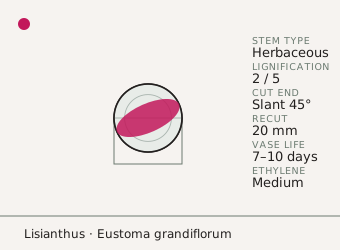
Vase range 7–10 days Recut 20 mm Water every 24 h Lignification 2 / 5 Ethylene sensitivity Medium
Chilling injury: the damage you cannot undo
Lisianthus is a warm-season species. Held at 2–4 °C for more than 24 hours, the stem's vessel membranes lose integrity and the flower will not rehydrate even in clean water. Petals take on a translucent, water-soaked look that is often mistaken for a bacterial problem.
Store at 8–12 °C if you must store at all, and keep the storage short.
- Never store lisianthus in the same cold box as produce or at 4 °C.
- If a stem arrives translucent, recut 20 mm and stand it at 20 °C — recovery is possible within the first six hours only.
- Transport in a ventilated van rather than a refrigerated one for journeys under three hours.
The waxy stem and why 24-hour changes matter
A lisianthus stem is coated in a thin cuticular wax that makes it slow to wet and slow to take up water. That same wax also means bacteria cling to the submerged surface more readily, so the solution fouls faster than the volume of the stem would suggest.
| Change interval | Vase life at 20 °C | Symptom |
|---|---|---|
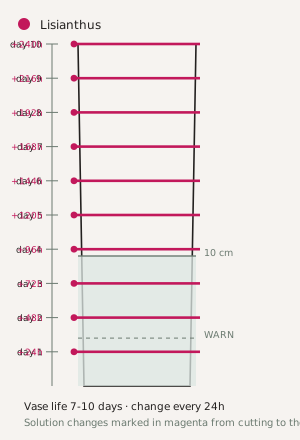
| 24 h | 9–10 days | none |
| 48 h | 7 days | lower buds yellow |
| 72 h | 5 days | stem end slippery, buds abort |
| no change | 3–4 days | whole stem softens |
Bud drop is an ethylene symptom, not a water symptom
If the open flowers look fine but the unopened buds fall off when the stem is touched, that is ethylene, not thirst. Move the vase to clean air immediately and remove any ageing delphinium or carnation from the same room.
Lisianthus opens its buds over roughly four days in the vase, so a stem bought in bud returns about twice the display time of one bought open.
- Buy in the tight-bud stage where possible; the buds open reliably in clean water.
- Remove any flower whose buds have started to yellow — it is already an ethylene source.
- Keep the vase out of draughts; the waxy stem desiccates quickly in moving air.
Keep away from
- storage below 5 °C
- shared cold box with carnation
- produce in the same room